
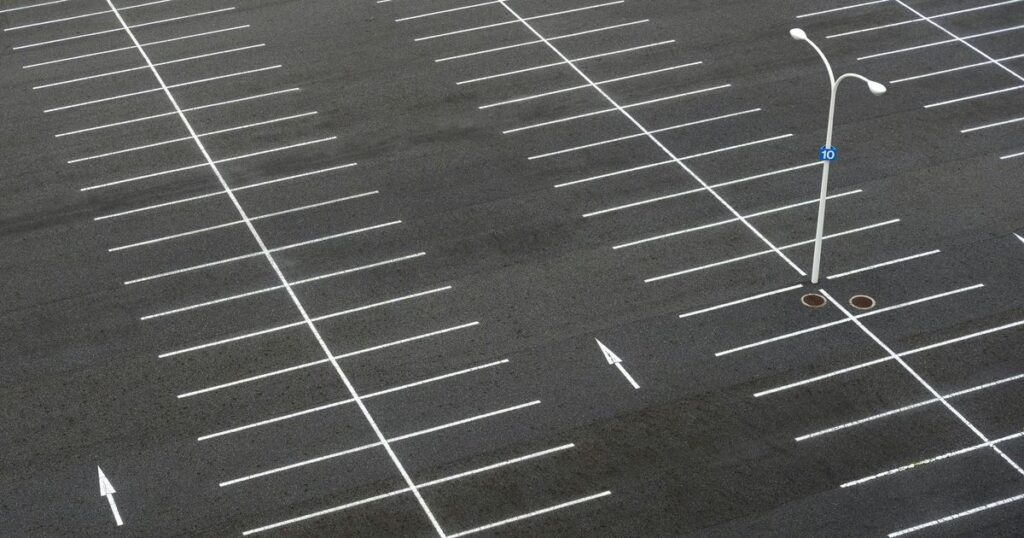
Every commercial building has three big bills coming: the roof, the parking lot and the heating and air conditioning. You don’t know the exact month, but you know they’re coming.
In four decades of owning and managing commercial property, I’ve seen more owners hurt by a worn-out roof than by a bad tenant. The cash flow looked steady. Then a $150,000 bill arrived with nothing set aside to pay it.
The fix is to plan years ahead and set money aside every month. That money is a capital reserve. Here’s how long these systems last, what to watch for, and how to build capital reserves for commercial property so a big repair never catches you short.
Repairs vs. Capital Items
A repair keeps something working, like patching a leak or replacing a fan belt. Repairs are small, happen every year and belong in your operating budget.
A capital item is a big replacement that comes along every 15 or 20 years, like a new roof or a repaved lot. One of these can wipe out years of cash flow.
Capital items aren’t surprises. Only the timing is unknown. If you aren’t setting money aside, your cash flow is borrowing from your roof, and sooner or later the roof wants its money back.
This matters when you buy, too. When you check a seller’s numbers, look for a line for reserves. If it’s missing, take it out of the net income yourself before analyzing commercial real estate and making an offer.
Roofs: Your Biggest Single Bill
Most commercial buildings have flat roofs covered with a membrane such as TPO, EPDM rubber or built-up tar and gravel. Depending on the material, the climate and the care it gets, a commercial roof usually lasts 15 to 30 years.
Replacement often runs about $5 to $12 a square foot installed, more if the old roof must be torn off. On a 20,000-square-foot strip center, that’s $150,000 or more.
You can’t stop a roof from aging, but you can keep it from dying early:
- Inspect it twice a year and after major storms.
- Keep the drains clear. Standing water kills flat roofs.
- Fix small leaks right away before they soak the insulation.
- Keep the paperwork: install date, installer and warranty years left.
- Ask about a coating when the roof is aging but still sound. A good coating can add years for far less than a new roof.
If you’re buying, learn the roof’s age before your deposit becomes nonrefundable. I cover this in my post on commercial real estate due diligence .
Parking Lots: The First Thing Customers See
New owners forget the parking lot. Tenants and customers don’t. Potholes and faded stripes tell everyone driving in that the owner isn’t paying attention. They’re also a liability if someone trips and falls.
An asphalt lot wears out in stages, each costing more than the last:
- Crack filling and patching every year or so. It’s cheap and keeps water out.
- Sealcoating and restriping every two to four years, which also keeps accessible parking marked as the law requires.
- Mill and overlay around 15 to 20 years. This is the big capital expense.
- Full replacement when the base fails, often 25 years or more for a well-kept lot.
Drainage is the lot’s worst enemy. If water pools in the same spots after every rain, fix that first. And don’t skip the cheap steps. They’re what push the expensive ones further out.
HVAC: The Repair Tenants Notice First
Most small retail and office buildings use rooftop units, often one per tenant space. A unit usually lasts 15 to 20 years, less in hot climates or when filters go unchanged. Unlike a roof, it can quit with almost no warning.
When HVAC fails, your tenant can’t do business. A restaurant with no air conditioning in July closes, and the lease may give the tenant a rent break until it’s fixed. Have the money ready before the unit dies.
- Keep a list of every unit with its location, size, brand and install year. The year is usually on the data plate.
- Service each unit twice a year, before the cooling and heating seasons.
- Watch the repair bills. A big repair on an old unit is often better spent on a replacement.
- Plan for the crane that replacement usually requires.
Refrigerant rules changed in 2025, and new units cost more. Get a current bid instead of going by old prices.
How to Build Your Reserve Budget
A simple spreadsheet will do:
- List every big item: roof, parking lot, each HVAC unit, plus water heaters, paint, windows or an elevator.
- Note each item’s age and expected life to find the years it has left.
- Get a current replacement cost from a contractor, plus a cushion for rising prices.
- Divide the cost by the years left. That’s your yearly set-aside.
- Deposit it monthly in a separate account, and review the list once a year.
Here’s an example for a 20,000-square-foot strip center:
| Item | Replacement cost | Years left | Set aside per year |
| Roof (20,000 sq ft at $8) | $160,000 | 10 | $16,000 |
| Parking lot overlay | $90,000 | 8 | $11,250 |
| Six rooftop HVAC units at $15,000 | $90,000 | 6 (average) | $15,000 |
| Total | $340,000 | $42,250 |
That’s about $3,500 a month, or a little over $2 a square foot a year. It’s high because everything is already halfway through its life and nobody saved for the early years. Starting when the building was new, the same items would need about $20,000 a year. The earlier you start, the less it hurts. It’s also why a building with old systems and no reserves should sell for less.
Who Pays: Leases, Tenants and Lenders
Your leases decide how much of this you pay yourself.
Gross leases. You pay for almost everything, so your rent must cover your reserves.
Net and triple net leases. Tenants pay their share of upkeep, but many leases still leave the roof, structure and major replacements with the landlord. Don’t assume a triple net lease puts you off the hook.
Common area maintenance (CAM). Sealcoating and restriping often go into CAM charges tenants share. Replacing the whole lot is different. Many leases bar capital costs from CAM or let you charge only a yearly portion. See my post on commercial rental rates and expenses, and How to Negotiate Your First Commercial Lease if you’re writing new leases.
Your lender. Many lenders require a monthly deposit into a replacement reserve, often around $250 to $300 per unit a year for apartments and 15 to 25 cents a square foot for retail and office. They also factor reserves into your commercial real estate loan requirements. Treat that as a minimum. It protects the loan, not your building.
When you’re buying. If the roof has three years left, that cost is coming soon. Get bids during due diligence and negotiate a lower price or a credit at closing. Don’t pay full price for a building and then pay again for its worn-out systems.
If You’re Coming from Residential
With rental houses, you probably paid for a $10,000 roof out of savings and moved on. Commercial numbers are many times bigger, and fewer tenants are paying the rent. Lose a big tenant while facing a roof bill, and you’re in real trouble. Commercial tenants also expect more. Many leases spell out exactly what the landlord must keep in working order and what happens if you don’t.
The good news is you already have the right habits. You check on your properties, fix small things before they become big ones and watch your cash. In commercial property you just apply them on a bigger scale, years ahead. I cover this shift in From Residential to Commercial: Making the Leap. If you’d rather not track it all yourself, read about the property manager’s role and whether to hire out property management or do it yourself.
The Bottom Line
Roofs, parking lots and HVAC will wear out. What’s up to you is whether the bill is a crisis or just a check from an account you’ve been building for years. Make your list, put a cost and a date beside each item, and start saving this month. Owners who do this sleep better at night. Well-kept buildings lease faster and are one of the surest ways to increase your commercial property value.
Get my free Deal Analysis Checklist. Before you buy, it walks you through the numbers to check, including whether the seller has accounted for reserves.